
Ocean Cryptids: The Habitat Guide, Not the Argument
A Different Way Through the Same Water
This site already made the argument for what might be swimming in deep water, in Sea Serpents: The Case for Something Real in the Ocean. This is not that piece. This is the habitat file: what the ocean tag actually holds, organized by the sea each creature is reported in rather than by how strong its case is. Some overlap with the argument piece is unavoidable, Kraken and Cadborosaurus are too central to skip entirely, but most of what follows barely got a mention there. Read as a set, these are the cases that never got their own spotlight because no single one of them anchors an argument on its own. Together, sea by sea, they do.
The North Pacific: A God and a Mermaid's Cousin
Japan's Akkorokamui is the standout case in the whole ocean file: a colossal red octopus said to inhabit Funka Bay off Hokkaido, large enough in Ainu tradition to drag boats under, and regarded by the Ainu not as a monster to fear outright but as a minor deity capable of healing severed limbs, a fairly direct read of the real octopus's regenerative ability. A 19th-century British seismologist working in Japan, John Milne, recorded local accounts of something enormous surfacing in the bay, and some modern researchers have floated a mundane explanation: a colossal or giant squid, misidentified at the surface.
Further south in the Pacific, Papua New Guinea's Ri is described by fishermen around New Ireland Province as having a human upper body and a fish-like lower half, the region's own mermaid. Anthropologist Roy Wagner documented consistent accounts from multiple, separate fishing communities in the early 1980s, and the leading mundane candidate is the dugong, a real marine mammal known to nurse its young in a posture that has inspired mermaid legends worldwide, not just in Papua New Guinea.
The North Atlantic: Orkney's Worst Weather Made Flesh
Scotland's northern islands hold the most purely dreadful entry in this file. The Nuckelavee of Orkney is described as a horse and rider fused into a single skinless creature, exposed muscle and black blood, with breath alone said to wither crops and sicken livestock across entire islands. Unlike most sea cryptids, the Nuckelavee was never really a sighting-driven case. It functioned as an explanation, a way for Orcadian communities to account for crop failure and disease outbreaks with no other visible cause, and it remains central to the islands' folklore identity for exactly that reason.
Further down the same coastline, the Each-Uisge is the saltwater and loch-water cousin of the more famous kelpie, and tradition holds it as the more dangerous of the two. It appears as a beautiful horse grazing near the water's edge, and anyone who mounts it finds their skin fused to its hide as it gallops in and drowns them, leaving only the liver to wash ashore afterward. Some researchers connect these accounts to the same body of early Highland tradition that later fed the Loch Ness case.
The Southern Ocean: A Twenty-First Century Legend
Not every entry in this catalog is old. Ningen, a pale, smooth-skinned humanoid shape reported in Antarctic and sub-Arctic waters, has no history before the early 2000s, when accounts attributed to Japanese research vessel crews began circulating on Japanese internet forums. Descriptions run 60 to 90 feet long with faint, minimal facial features, an odd combination, human-shaped but whale-scaled, and it is the clearest example in this file of a cryptid born on the internet rather than in oral tradition, spreading and solidifying the way older water legends did over centuries, just compressed into two decades.
The Bering Sea: The One That Was Real Until It Wasn't
Steller's Sea Cow belongs in this catalog for a different reason than anything else on it: it was a confirmed, described, scientifically documented species, a gentle nine-meter marine mammal that naturalist Georg Wilhelm Steller recorded near the Commander Islands in 1741. Hunting drove it extinct within 27 years of its discovery, by 1768. What earns it a place here are the reports that kept coming after: Soviet whalers in 1962 described a group of large, unusual animals near Cape Navarin matching the sea cow's profile, and scattered claims from the remote Bering Sea and Kamchatka coast have continued since. No confirmed evidence of a surviving population exists. It is the one entry in this entire file where the base case, a real, named, described animal, is not in question at all. Only its extinction date is.
Worldwide and Historical: The Shark That Won't Stay Extinct
Megalodon ruled the ocean for some 20 million years before going extinct around 3.6 million years ago, according to the fossil record, and it remains the most argued-over extinction date in cryptozoology. The case for a surviving population leans on the same logic as every other entry in this file, most of the ocean is unmapped, and new large species keep turning up, most recently the 15-foot megamouth shark, first identified only in 1976. The case against it is specific: Megalodon needed warm, shallow, coastal water and enormous prey volumes to sustain its size, conditions the deep open ocean cannot offer. The site catalogs it as debunked and disputed rather than eyewitness tier for exactly that reason, worth reading alongside the fuller version of this argument in the sea serpents piece.
The Cases This File Keeps Brief
Kraken, Cadborosaurus, Chessie, Morgawr, Con Rit, and the Gloucester Sea Serpent already carry their full weight elsewhere on this site, most of them in the sea serpents argument piece or in their own regional guides. This file exists for the ones that argument left out.
For the full ocean-tagged roster, see the ocean habitat page. For the deeper case on whether any of it is a real, undiscovered species, read Sea Serpents: The Case for Something Real in the Ocean.
Get the Field Notes.
Field notes from the Vault, when there is something worth sending. No spam.
No spam. Unsubscribe anytime.
Creatures mentioned in this post
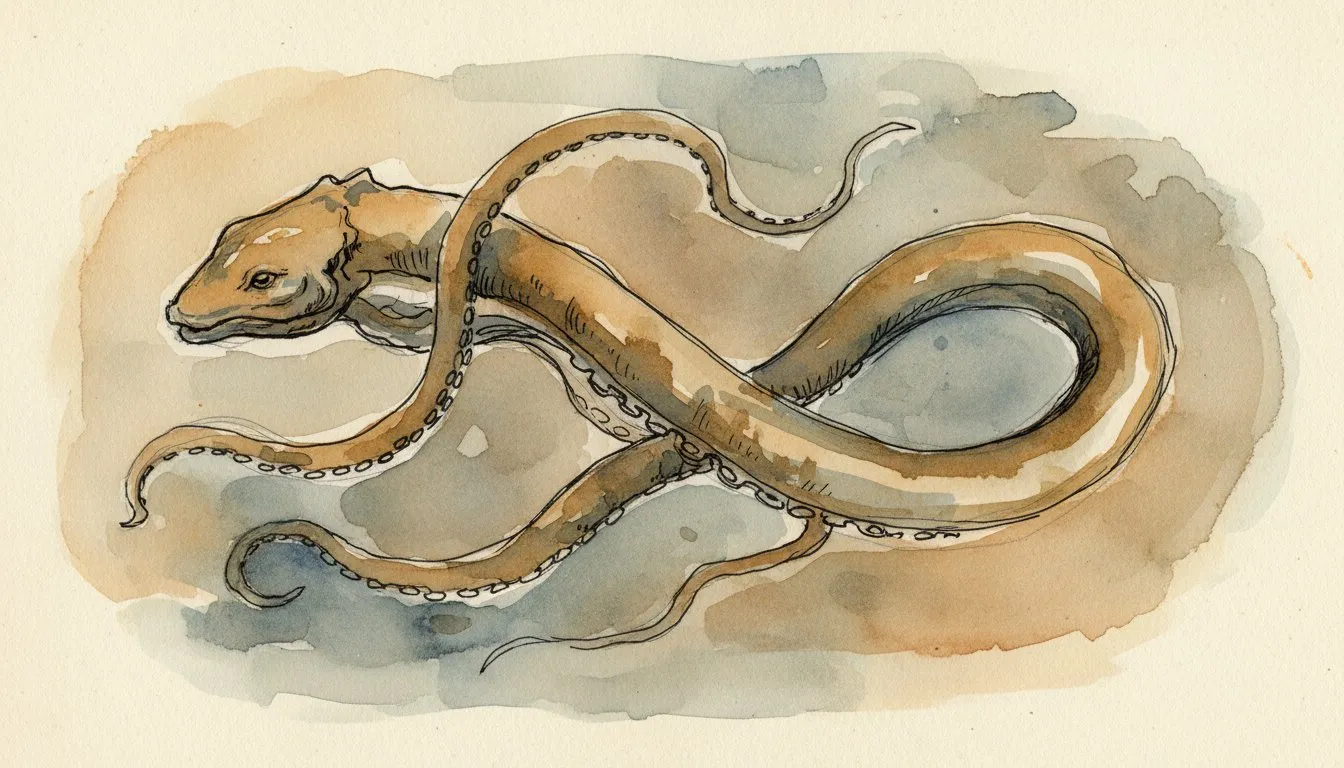
Akkorokamui
A colossal red octopus lurking in Funka Bay, revered by the Ainu as both healer and destroyer.
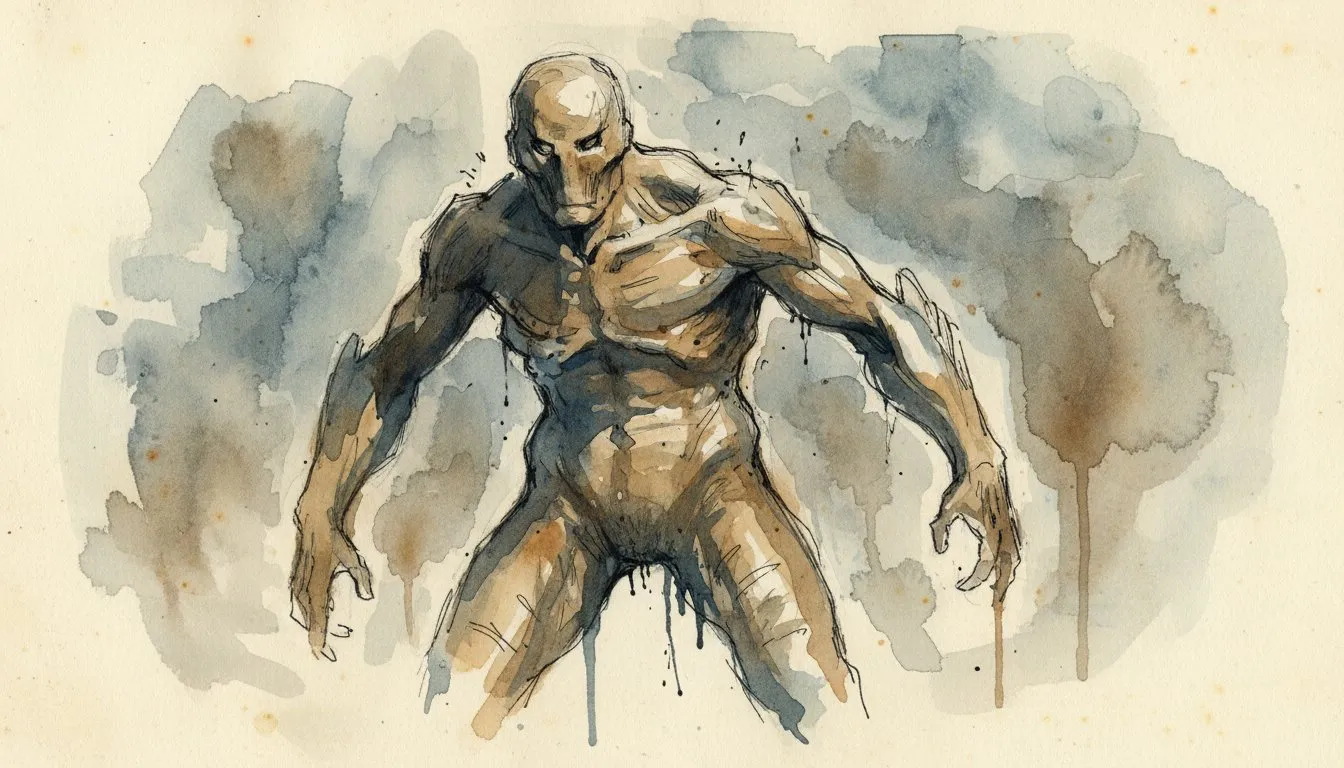
Ningen
A ghostly white humanoid shape rising from Antarctic waters, seen by Japanese fishermen.
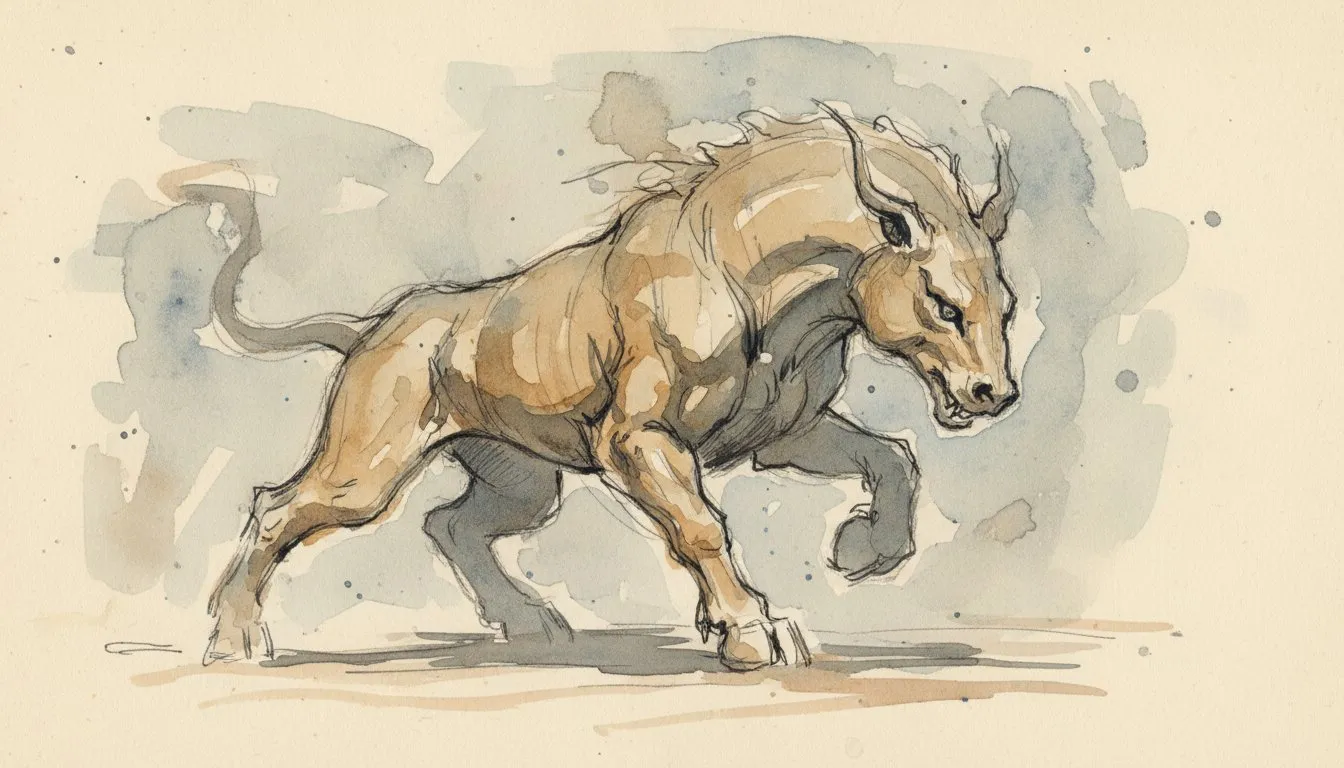
Ri
A marine humanoid reported by fishermen in New Ireland, with a woman's upper body and a fish-like lower half.
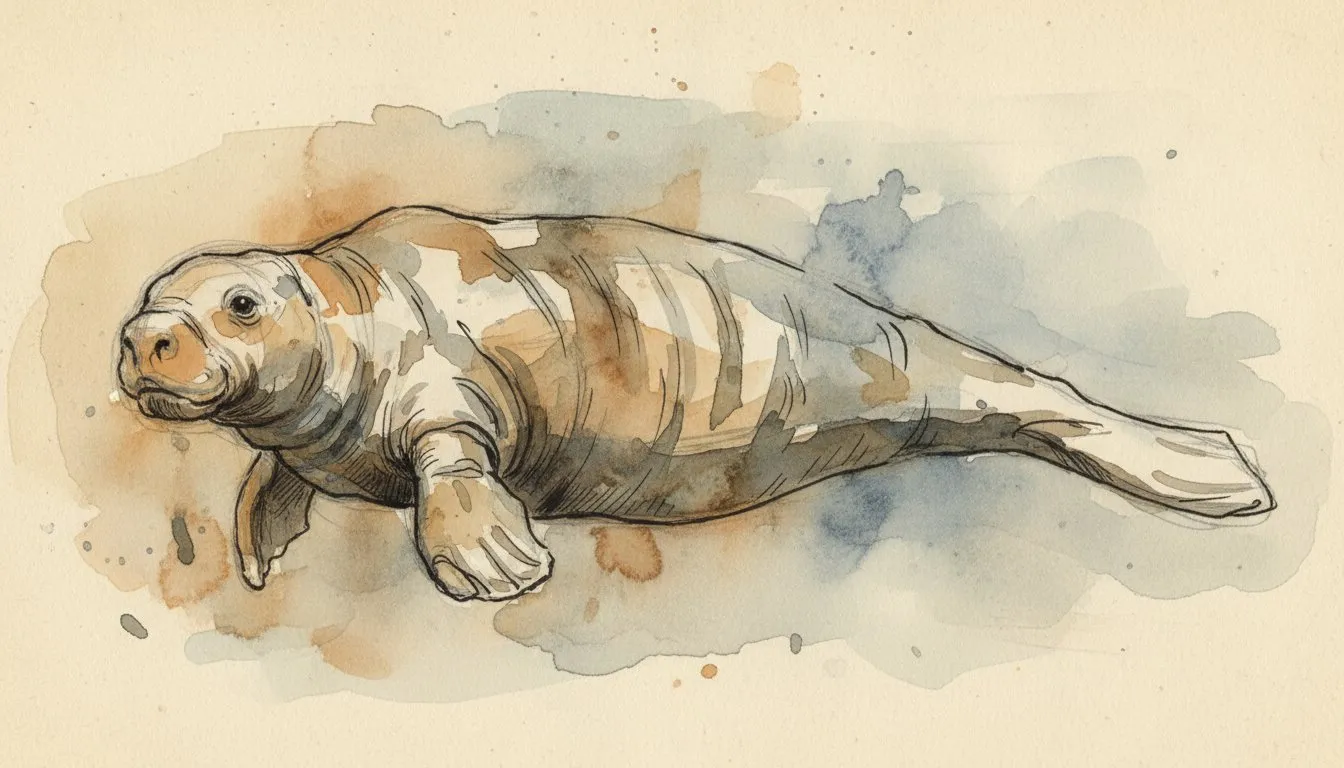
Steller's Sea Cow
Hunted to extinction just 27 years after Western science discovered it, some believe pockets of this gentle giant survive in remote Arctic waters.