
South American Cryptids: The Amazon, the Andes, and Patagonia
The Continent With the Best Case
If you wanted to build the strongest possible argument that a large animal could still be unknown to science, you would build it here. The Amazon basin is the largest continuous area on earth where something big could go unnoticed, the continent's megafauna went extinct recently enough in geological terms to leave people arguing about stragglers, and its interior has been surveyed unevenly at best.
The reports match that. South America's file is unusually heavy on two things: relict-species claims, and folklore recorded from named indigenous traditions by missionaries and naturalists rather than collected from modern eyewitnesses. That second point matters for how you read it. A Mapuche or Tupi tradition documented in 1560 is a different kind of record from a highway sighting in 1972, and the Vault labels them differently on purpose.
The Amazon: The Relict Cases
The Mapinguari is the continent's headline claim. Reported through the Brazilian Amazon as a six-to-eight-foot creature with an overwhelming smell, it is the one cryptid that mainstream researchers have been willing to discuss out loud, because the description overlaps with the giant ground sloth. Ground sloths were real, they were enormous, and they disappeared recently enough that the survival question is not absurd on its face. The Vault files it under eyewitness reports with the status noted as a possible relict species.
The Yacumama is the water version: a snake described in Peruvian and Brazilian Amazon tradition at lengths of a hundred feet and more. The claimed sizes are far beyond any documented anaconda, which is the case against it, and the tradition is old, consistent, and tied to specific river systems, which is the case for taking the reports seriously as reports.
The Minhocao is stranger and better dated. From 1877 onward, accounts out of southern Brazil described sections of forest and riverbank collapsing into tunnels, with the naturalist Fritz Muller among those documenting the claims. Something fifty to seventy-five feet long was blamed. What makes this one unusual is that the evidence offered was landscape damage rather than a sighting.
The Amazon: The Forest Guardians
The rainforest's other tradition is not about undiscovered animals at all. It is about consequences.
The Curupira has backward-facing feet and drives hunters in circles until they lose themselves. Jesuit missionaries documented it early: Manuel da Nobrega in 1549 and Jose de Anchieta in 1560, which makes it one of the oldest continuously recorded traditions in the Americas. The Caipora does related work, punishing anyone who takes more game than they need.
Both are conservation instruments in narrative form, told by people whose survival depended on not stripping their own hunting ground. Read that way they are not failed zoology. They are successful policy.
The Boto belongs here too, though it is gentler: the pink river dolphin, a real and cataloged animal, said to come ashore at night as a charming stranger. It is a folklore claim attached to a confirmed species, which is a category the site keeps carefully distinct from a claim that an unknown animal exists.
Patagonia and the Southern Lakes
The Argentine and Chilean south has the continent's lake monsters, and its most photographed case.
Nahuelito has been reported in Nahuel Huapi Lake in Argentine Patagonia since 1897, described between fifteen and forty-five feet long, and it carries photo and video claims. The lake is deep, cold, and glacial, which is the same profile as Loch Ness and Champlain. That the world's three most persistent lake-monster traditions sit in nearly identical water is either evidence about animals or evidence about people, and it is genuinely hard to say which.
The Cuero is the most vivid entry in the whole South American file. Mapuche tradition describes something that lies flat on the surface of Patagonian lakes like a discarded cowhide, six to twelve feet across, and closes on whatever steps onto it. The Huallepen haunts Chilean marshland as a cow-headed amphibian and functions as an omen rather than a predator: seeing one was said to affect an unborn child.
The Andes
The mountains carry three Mapuche entries that show the range of the tradition.
The Carbunclo is small, armored, and carries a glowing gemstone in its head. It appears in pre-colonial Mapuche tradition and then again in Spanish colonial records from the 1500s, when treasure-minded arrivals took the gem literally.
The Cherufe lives inside Chilean volcanoes as a molten humanoid that demands sacrifice to stay dormant, which is what a living volcanic range looks like when it is described as a personality rather than a geological process.
The Peuchen is the shapeshifting flying serpent of the Chilean lakes district and Chiloe, credited with draining livestock from the air. It is the direct ancestor of a much more famous modern story.
The Isthmus and the Chupacabra's Second Home
Central America contributes two of the region's most widely told figures. El Cadejo follows travelers home at night through Guatemala, Honduras, and El Salvador, and its color decides what kind of night you are having: the white one protects, the black one does not. El Sisimite is the Lenca highland ape-man, another backward-footed figure, said to take anyone who meets its eyes.
And the Chupacabra belongs to this continent as much as to North America. It began in Moca, Puerto Rico in March 1995 as a spined, bipedal creature, and mutated on its way north into the hairless quadruped of Texas ranch country. When a specimen was recovered in Texas in 2007 it typed as canine. Watching a legend change shape in real time across thirty years and two continents is the most fully documented thing in this article.
How to Read This File
South America gives you the strongest habitat argument in cryptozoology and the weakest modern sighting record, and those two facts are related. Fewer roads and fewer cameras means more room for an animal and less material to examine.
The rest of the roster is in our South American legends collection and on the South America region page. For the animals that made the trip from rumor to species, see real animals that were once cryptids.
Get the Field Notes.
Field notes from the Vault, when there is something worth sending. No spam.
No spam. Unsubscribe anytime.
Creatures mentioned in this post
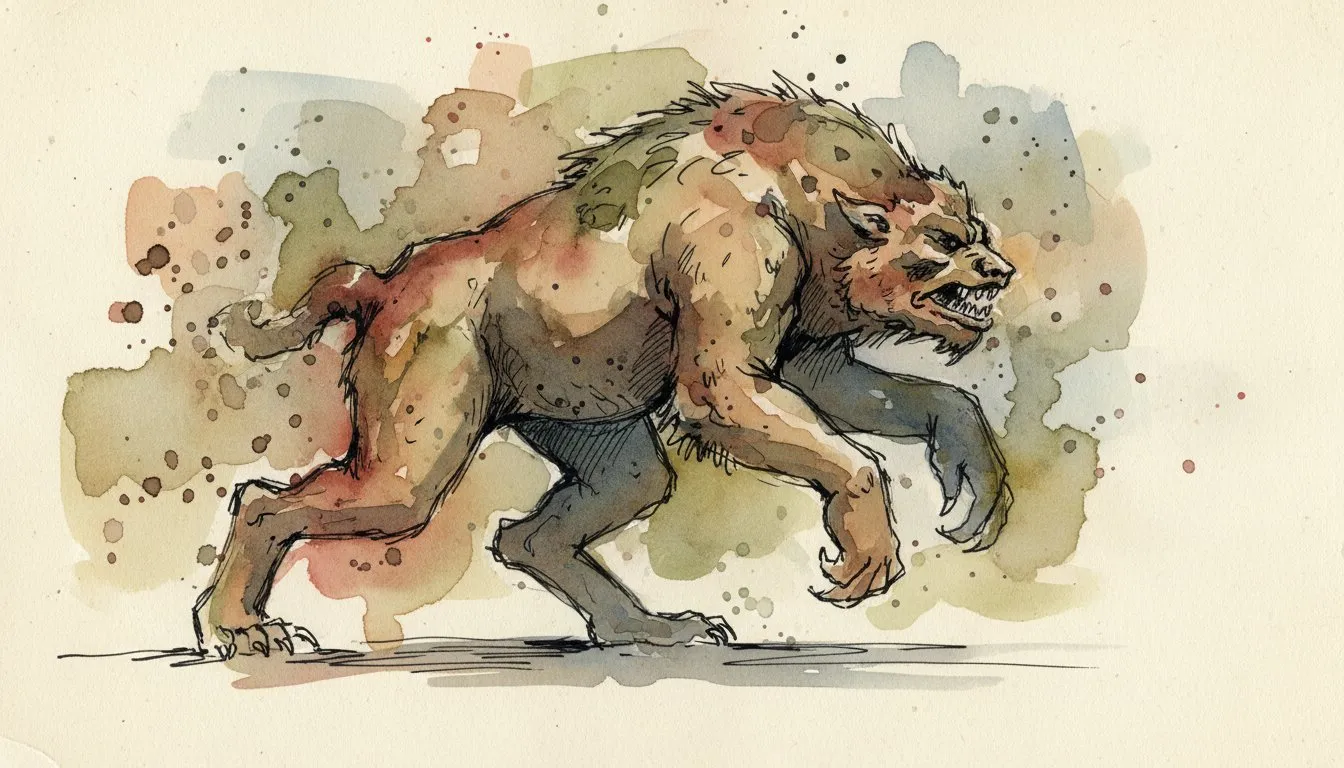
Mapinguari
A stinking, one-eyed ground sloth still roaming the Amazon, if the locals are right.
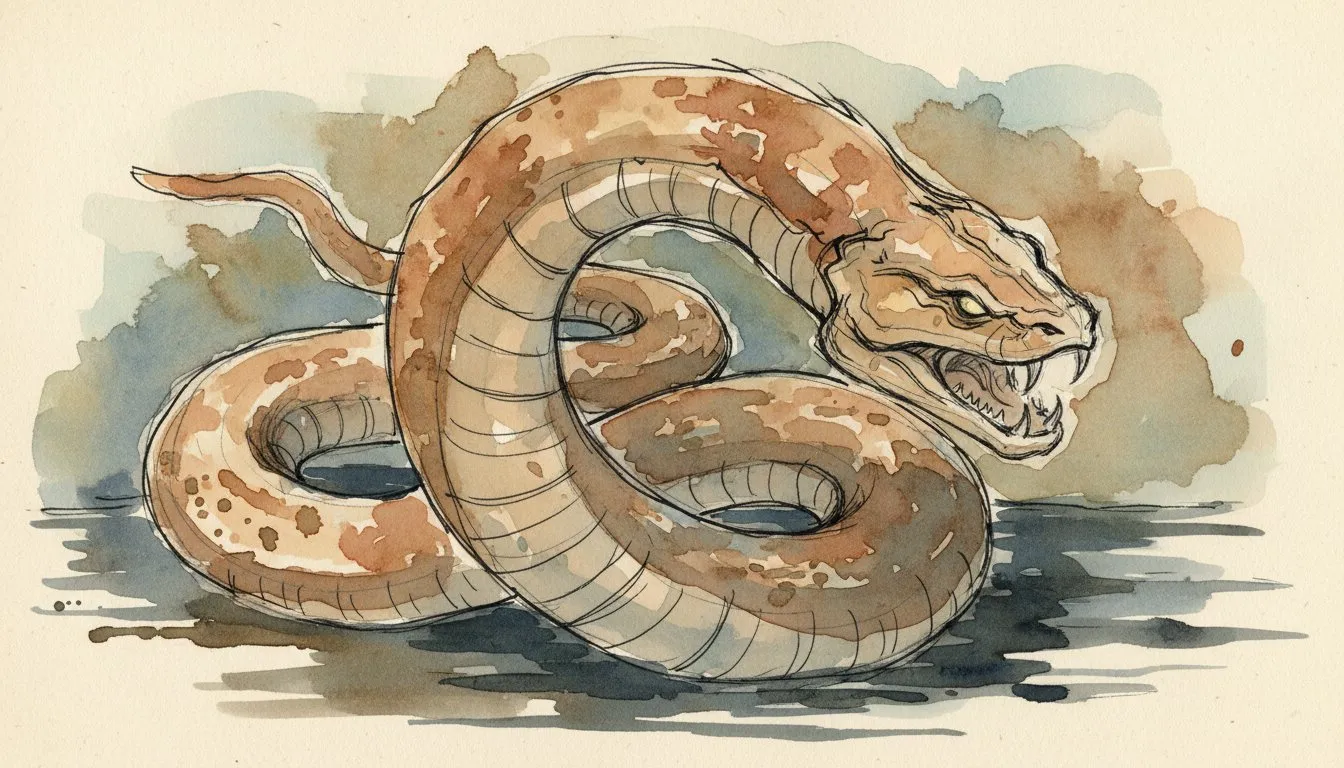
Yacumama
Deep in the Amazon, locals say a snake longer than a river is wide guards the waterways.
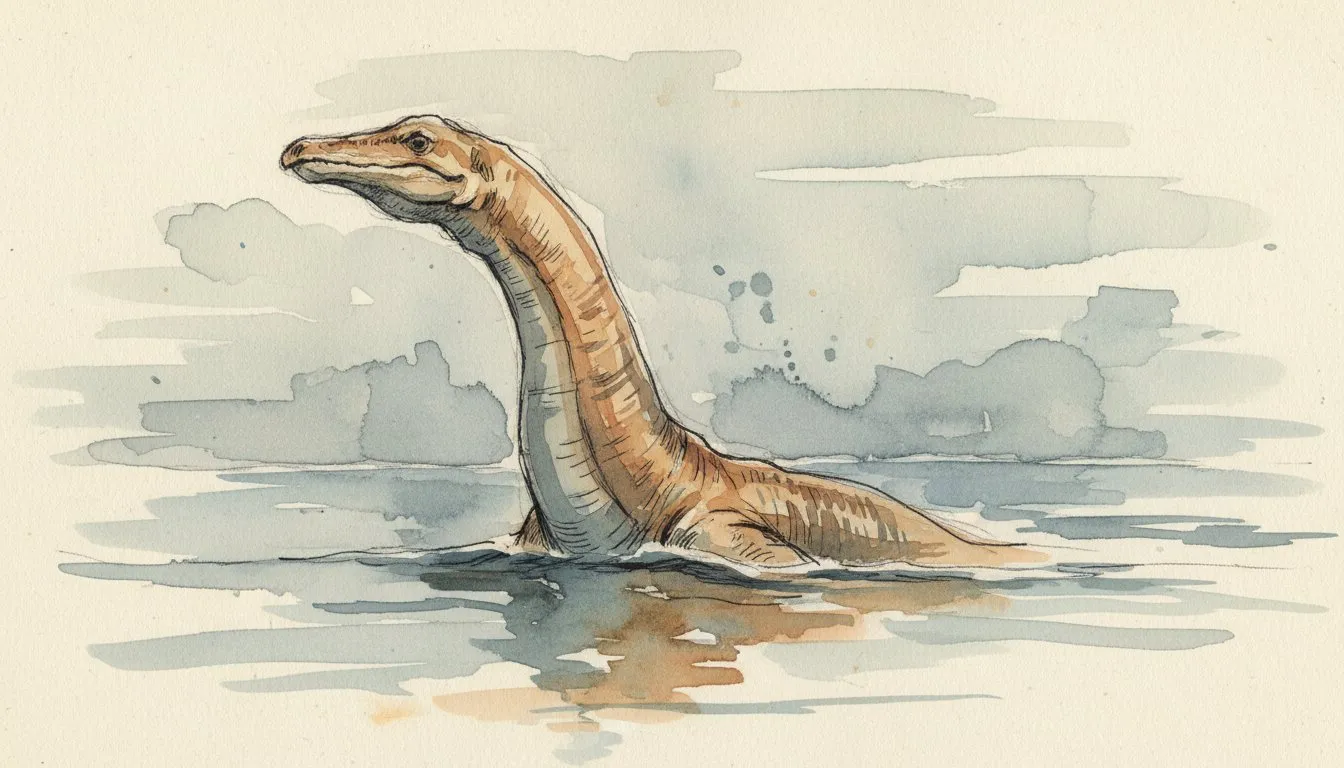
Nahuelito
Something enormous has been surfacing in an Argentine lake for over a century.
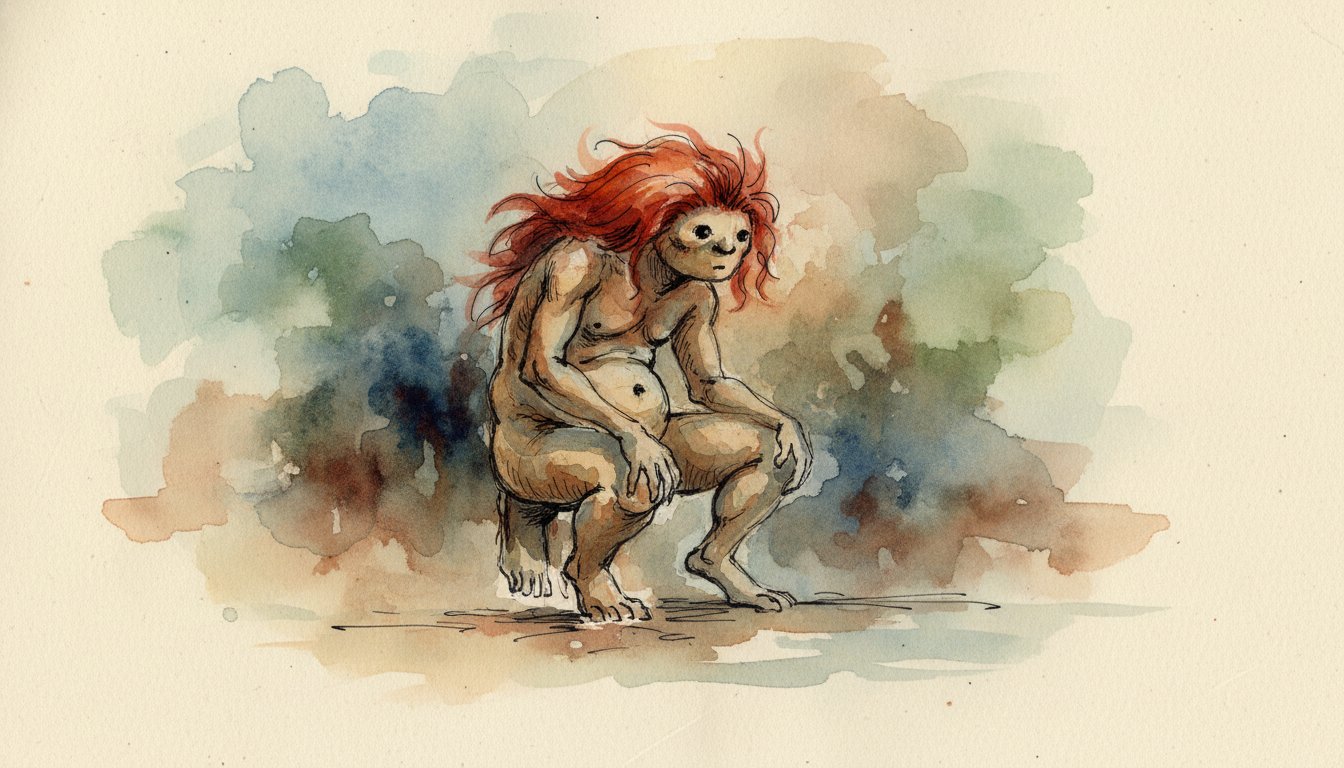
Curupira
A flame-haired forest guardian with backward feet, who drives hunters insane by making them walk in circles.