
African Cryptids: The Congo Basin, the Rift Country, and the West Coast
The Continent That Set the Precedent
Every argument that cryptozoology has ever won was won in Africa. The okapi was an African unicorn until Harry Johnston obtained skins and skulls in 1900 and 1901 and the animal was formally described. The mountain gorilla was a story told by frightened porters until it was not. Those two cases are the reason the Congo expeditions kept sailing for another century, and they are the reason a serious researcher can say the word cryptozoology in a university building without laughing.
They also set up the field's biggest disappointment, because nothing since has followed them. The full story of the ones that made it across is in real animals that were once cryptids.
One structural note before the list. Almost every dated first report below belongs to a European hunter, colonial administrator, missionary, or naturalist. That is not because nothing was known before them. It is because the written record starts where the notebooks start, and it shapes what got recorded, who got credited, and which creatures became famous outside their own country.
The Congo Basin
Mokele-mbembe has the longest and most serious expedition history of anything in the Vault. Carl Hagenbeck relayed accounts in 1909. Freiherr von Stein zu Lausnitz documented them in 1913. The herpetologist James Powell went in 1980, and the University of Chicago biologist Roy Mackal mounted expeditions in 1980 and 1981. The Congolese zoologist Marcellin Agnagna reported a sighting at Lake Tele in 1983, and the adventurer Rory Nugent claimed a photograph in 1993.
That is eight decades of funded, credentialed searching for a large animal in the Likouala swamps, and it has produced no specimen. It is the best-resourced negative result in the subject, and it deserves to be described that way rather than as an open question. Local accounts have been consistent across generations, which is the strongest thing that can be said for it and is not the same as evidence of an animal.
Two neighbors share the same swamp country. Emela-ntouka was documented by Lucien Blancou in 1954 out of the Likouala, described as elephant-sized and single-horned and said to kill elephants without eating them. J'ba Fofi is the Congo's giant spider, with a claimed four-to-five-foot leg span, documented by William Gibbons in 2000. Both sit alongside Mokele-mbembe in the living dinosaurs and wider African file, and both are unverified.
East Africa: The Kenyan and Tanzanian Cases
The East African reports come in a tight cluster from the first decades of the twentieth century, and one name keeps appearing.
The Nandi Bear was reported from 1905 in the Nandi Hills of western Kenya, described at four to five feet at the shoulder and credited with killing for the brain alone. Geoffrey Williams and a Major Braithwaite are the named early witnesses, and it remains the most-feared entry in the region's file.
The Agogwe is the opposite in temperament: small rust-colored ape-men, four to five feet tall, reported walking upright in the forests of Tanzania and Mozambique from around 1900. Captain William Hichens and Cuthbert Burgoyne are the two accounts that gave it its reputation, and the reason the case is taken seriously by anyone is that the described animal is modest, plausible in scale, and consistent between witnesses who did not compare notes.
Hichens turns up again on the Mngwa, a grey brindled cat described as donkey-sized on the Tanzanian coast, alongside the hunter Patrick Bowen. A single reporter attached to two of a region's biggest cases is worth flagging every time it happens.
Kenya's rivers hold two more. Dingonek was reported by the big-game hunter John Alfred Jordan on the River Migori in 1907: a twelve-to-fourteen-foot armored animal with saber teeth. Muhuru is the armored, club-tailed reptile described by R.E. Hobley from the same western Kenyan country.
Zambia and the Rift Lakes
Kongamato is the continent's flying reptile: a leathery-winged, toothed animal with a four-to-seven-foot wingspan, reported by fishermen in the Jiundu Swamp. Frank Melland documented it in 1923 and an engineer named J.P.F. Brown added an account. It is the case most often used to argue for a surviving pterosaur, and the same wingspan is comfortably within reach of large living bats and storks, which is the counterargument in one line.
Chipfalamfula is reported from Lake Bangweulu, a shallow, enormous, seasonally flooding system that is genuinely difficult to survey. J.E. Hughes recorded accounts of a hippo-sized or larger horned animal capsizing fishing boats in the early 1900s.
Southern Africa
South Africa's entries are the continent's most varied.
The Grootslang comes from Khoisan tradition in the Richtersveld: the story says the gods made a creature so powerful they split it into elephants and snakes, and one original survived. It is folklore, cleanly labeled, and it is one of the better origin stories anywhere in the catalog.
Inkanyamba is the Zulu winged serpent associated with Howick Falls and with the storms that hit KwaZulu-Natal. It carries photo and video claims. Mamlambo is older Xhosa tradition attached to a specific modern event: reports in 1997 of bodies recovered from the Mzintlava River in the Eastern Cape, described in press accounts as missing faces. The Vault records the tradition and the reported incidents separately, because they are separate claims and running them together is how a folklore figure gets promoted into a documented predator.
The Tokoloshe is the most socially present entry on this page. A small malicious figure from Zulu and Xhosa tradition said to serve whoever summoned it, it remains widely enough believed that raising a bed on bricks is a recognized precaution. Whatever a researcher concludes about it, it is a live tradition rather than a historical curiosity.
Trunko is the resolved one: a forty-seven-foot white carcass at Margate Beach in 1924, reported by the journalist Hugh Ballance, now most likely identified as a decomposed whale.
West Africa
West Africa's creatures are less searched for and better told.
Ninki Nanka is the swamp dragon of Gambia, Senegal, and Guinea-Bissau, described at wildly varying lengths and surrounded by a belief that seeing one is fatal shortly afterwards. That last detail is worth pausing on, because a tradition holding that witnesses do not survive is a tradition structurally guaranteed to produce very few witnesses.
Sasabonsam belongs to Ashanti tradition in Ghana and Ivory Coast: a forest figure with iron teeth and a twenty-foot wingspan that sits in the canopy with its legs dangling as bait. The Adze of the Ewe of Togo and Ghana is the firefly vampire, and its real-world history is grimmer than its description, since identifying an Adze meant identifying a neighbor.
Zanzibar's Popobawa is the most recent, first reported in 1965 on Pemba Island, and the most unusual in mechanism: the tradition holds that victims must tell others or it returns, which is a story with its own transmission built in.
Reading the African File
Two things are true at once. This continent has the only real precedents for a cryptid turning into a species, and it has the field's most expensively documented failure in Mokele-mbembe.
Both are worth keeping in view. The rest of the roster is in our African mysteries collection and on the Africa region page.
Get the Field Notes.
Field notes from the Vault, when there is something worth sending. No spam.
No spam. Unsubscribe anytime.
Creatures mentioned in this post
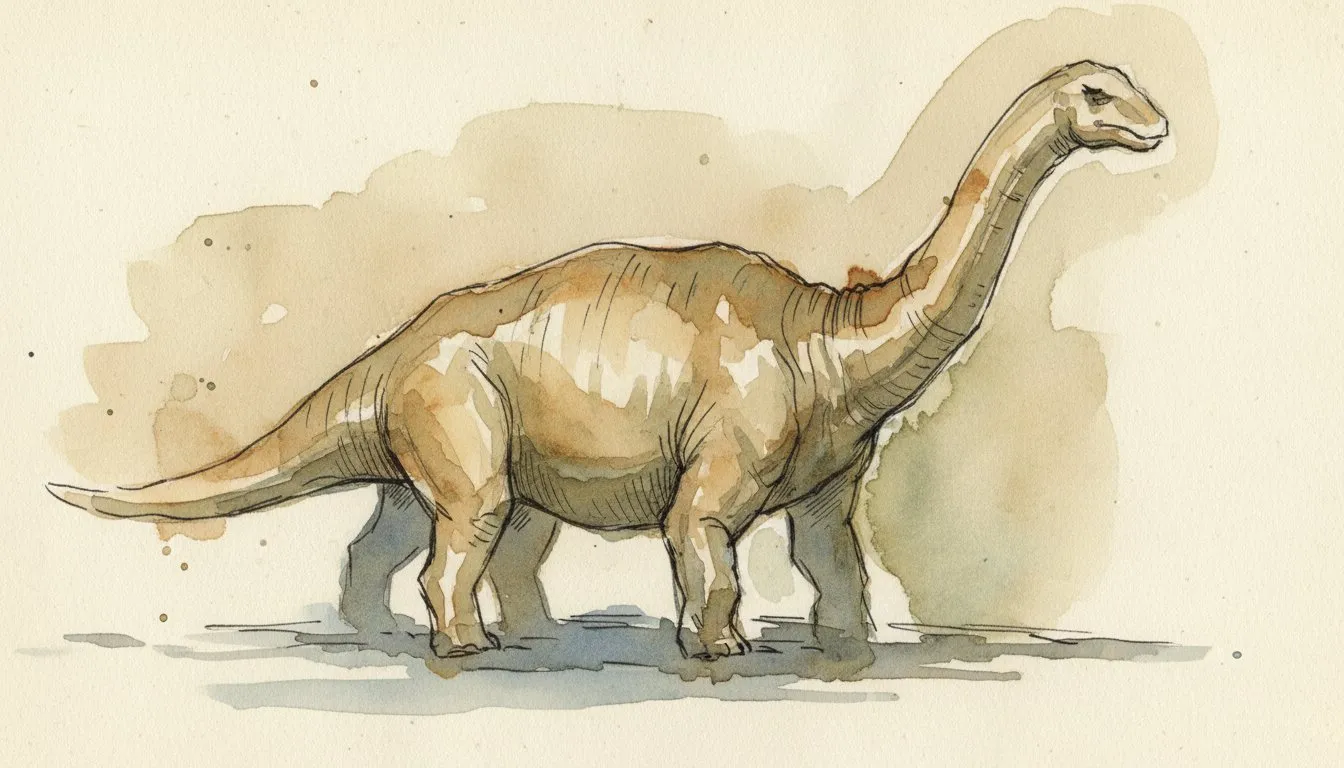
Mokele-mbembe
Deep in the Congo Basin, local tribes describe a living dinosaur with total consistency across generations.
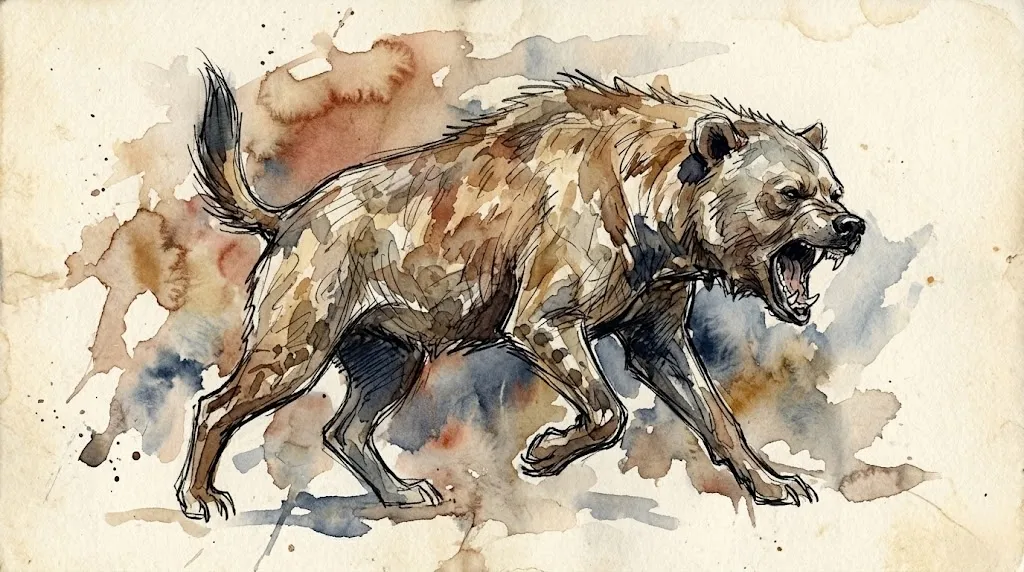
Nandi Bear
Kenyan tribes fear a nocturnal beast that kills for one thing only: the brain.
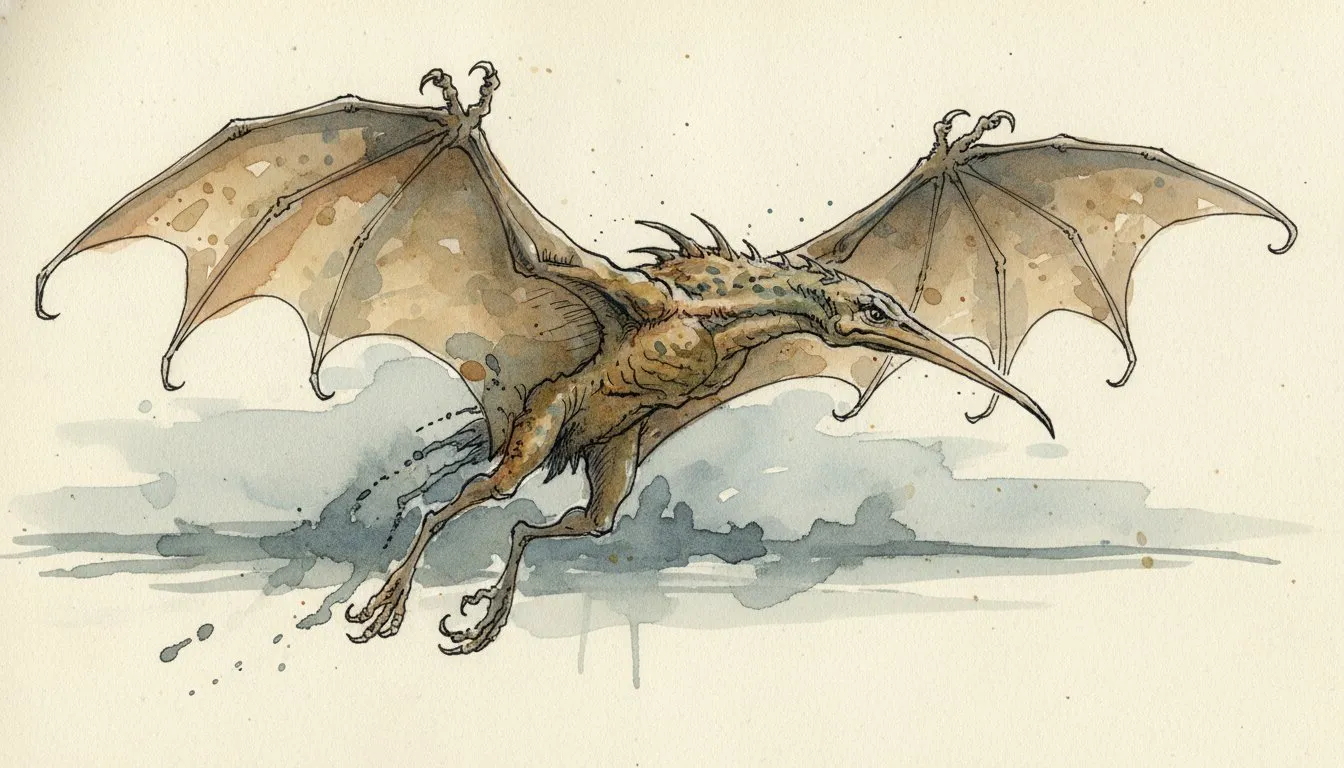
Kongamato
Zambian fishermen describe a flying reptile with leathery wings and teeth that capsizes their boats.
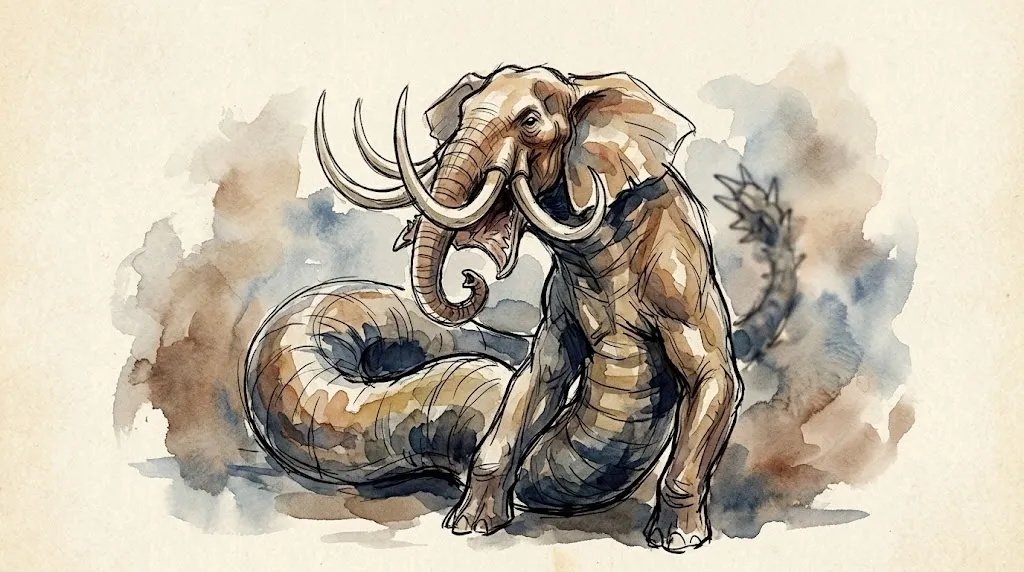
Grootslang
South African legend says the gods made a creature so powerful they had to split it into elephants and snakes.