
European Cryptids: A Field Guide Beyond Loch Ness
The Continent Everyone Reduces to One Lake
Ask most people to name a European cryptid and you get one answer. Loch Ness has absorbed so much of the continent's cryptid attention that it is easy to forget Europe holds dozens of other entries in this catalog, from phantom black dogs on English coast roads to a bloated water spirit that Slavic millers once bribed with tobacco.
Loch Ness earns its fame. Reports go back to a 6th-century account involving Saint Columba, and the loch has been photographed, sonar-swept, and argued over for a century, most famously by the 1934 "Surgeon's Photo," later revealed as a hoax. The rest of this guide is deliberately not about it. Here is the rest of Europe's file, organized the way the continent itself breaks down.
The British Isles: Phantom Cats and a Leaping Devil
England's strangest modern cryptid tradition is not a lake monster at all. It is the "phantom cat," a large black feline reported prowling open moorland since the 1970s, and it shows up in at least two distinct clusters. The Beast of Bodmin Moor has been reported across Cornwall's granite moorland since 1978, with enough livestock kills that the government ran a formal investigation in 1995. It found no conclusive evidence, and the sightings continued anyway. The Beast of Dartmoor, one county over in Devon, follows the same pattern: a large dark cat, livestock kills that read like a big predator's work, and a leading theory tracing both animals back to Britain's 1976 Dangerous Wild Animals Act, which restricted private ownership of exotic cats right around the time sightings began. Two moors, two separate exotic-pet-release theories, neither confirmed nor closed.
Older and stranger is Black Shuck, the phantom hound of East Anglia. The signature account is from August 4, 1577, when a black dog reportedly burst into Holy Trinity Church in Blythburgh during a thunderstorm, killed two worshippers, and left scorch marks on the door still shown to visitors today. That is close to 450 years of continuous local tradition attached to a single, dated, named-church incident, a longer paper trail than almost anything else in this catalog.
Spring-Heeled Jack belongs to the city rather than the countryside: a tall, cloaked figure reported leaping over walls in London starting in 1837, with witnesses describing clawed hands and blue flame breathed from the mouth. Attacks continued sporadically for decades, as far as an 1877 report from sentries at an Aldershot military camp, and the case was never solved.
Scotland's water has its own quiet second act. Morag is reported in Loch Morar, deeper than Loch Ness and visited by none of the tourists, and in 1969 two men reported their motorboat struck by something they estimated at 25 to 30 feet long.
Scandinavia and the North: The Other Lake Monsters
Norway, Sweden, and Iceland each keep a lake serpent of their own, and between them they outnumber Loch Ness in one respect: sheer report count. Selma, of Lake Seljord in Norway, has accumulated more than 500 recorded sightings since 1750, including a 1977 account from a local woman who said the creature surfaced close enough to touch. Storsjoodjuret has been reported in Sweden's Lake Storsjon since 1635 and was formally granted protected species status in 1986, an odd legal move for an animal the country has never confirmed exists. Iceland's Lagarfljot Worm is the oldest case of the three on paper, with accounts reaching back to 1345, and it had a viral moment in 2012 when a video of a long shape moving through the glacial lake spread widely before skeptics suggested it showed a fishing net caught in the current.
Eastern Europe: What Stayed Folklore
Not every entry in this file wants to be a lake monster. Eastern Europe's contributions are older and stranger, and they never made the jump to modern eyewitness reports the way the lake serpents did.
The Strigoi is Romania's original undead, split into two forms, a living person cursed with vampiric traits and a corpse that rises from the grave, and the tradition is strong enough that villagers in Marotinu de Sus exhumed and staked a body as recently as 2004. The Vodyanoy is the Slavic river spirit that Russian, Ukrainian, and Polish fishermen once placated with tobacco or the first catch of the day, a bloated, frog-faced old man believed to drown the careless and keep their souls in jars on the riverbed. Russia's Brosno Dragon is the region's one lake case, reported in Lake Brosno since a 13th-century chronicle described it swallowing a Mongol war party's horses, with a 2002 sonar expedition finding an unexplained mass near the lake floor and nothing more.
Central Europe: The One Everyone Admits Is a Joke
Not every legend on this list is meant to be taken seriously, and Bavaria's Wolpertinger is the clearest case. A rabbit built from antlers, fangs, and wings, assembled by taxidermists and displayed in hunting lodges since at least the 1500s, it is a practical joke that outlived the joke-tellers, still on display today at Munich's Deutsches Jagd- und Fischereimuseum. It belongs in this file for the same reason the Jackalope belongs in the American West: a hoax old enough and beloved enough to become genuine regional identity.
The Rest of the Continent
This file leaves out the Alps and the Scottish Highlands on purpose. Both have their own dense cluster of mountain cryptids, France's Beast of Gevaudan among them, and they get the fuller treatment in our mountain cryptids field guide. For the continent's sea-going cases, including the Kraken, see our guide to ocean cryptids and the wider case for something real in the water.
The full European roster is on the Europe region page.
Get the Field Notes.
Field notes from the Vault, when there is something worth sending. No spam.
No spam. Unsubscribe anytime.
Creatures mentioned in this post
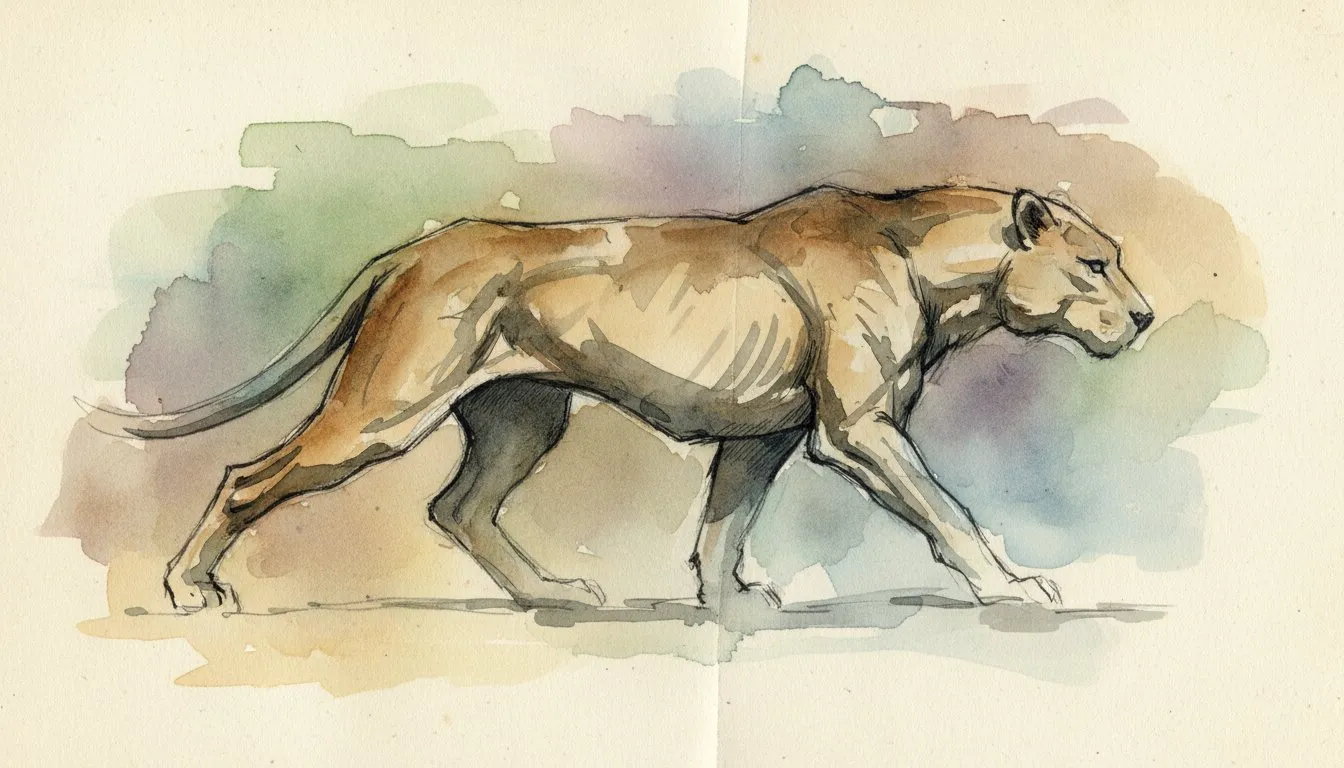
Beast of Bodmin Moor
A large black cat prowls the foggy moors of Cornwall, shredding livestock and vanishing into the granite landscape.
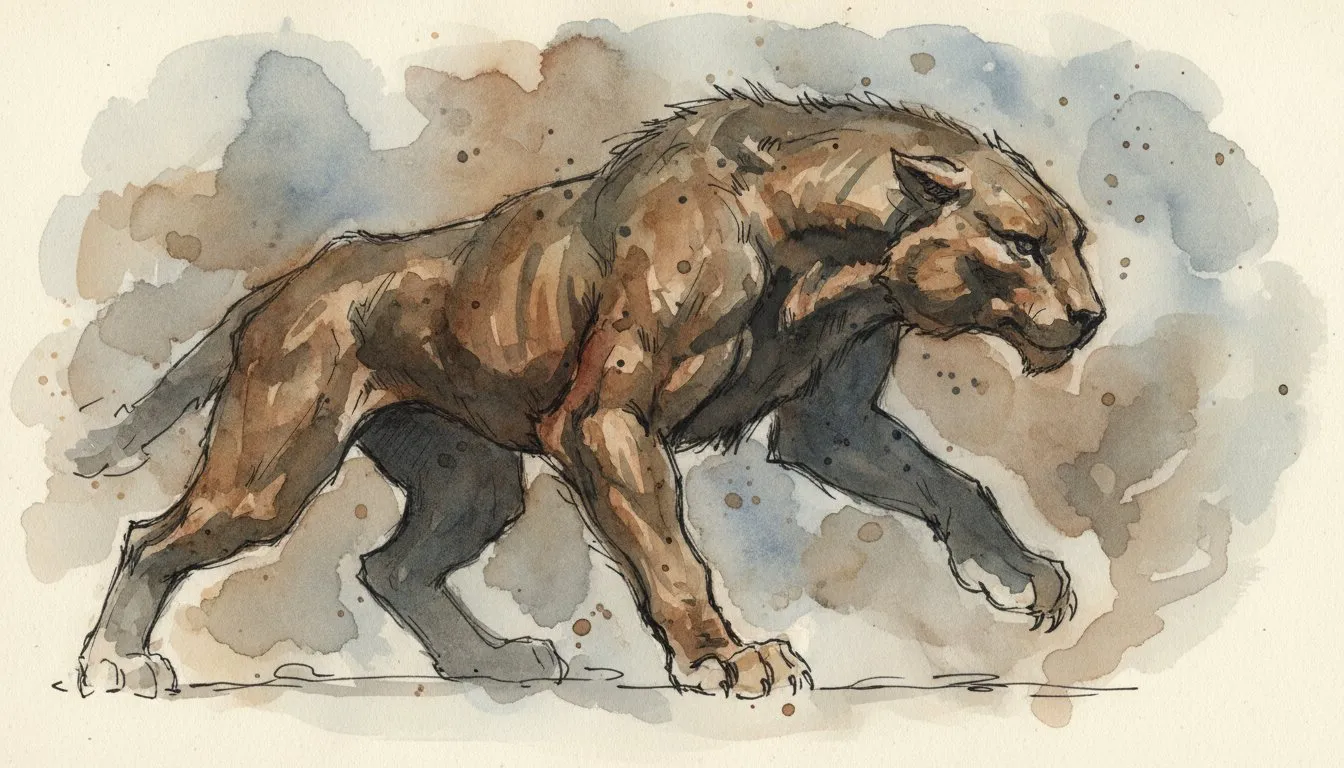
Beast of Dartmoor
Something large, dark, and feline stalks the misty moorlands of Devon, leaving torn livestock and fleeting glimpses behind.
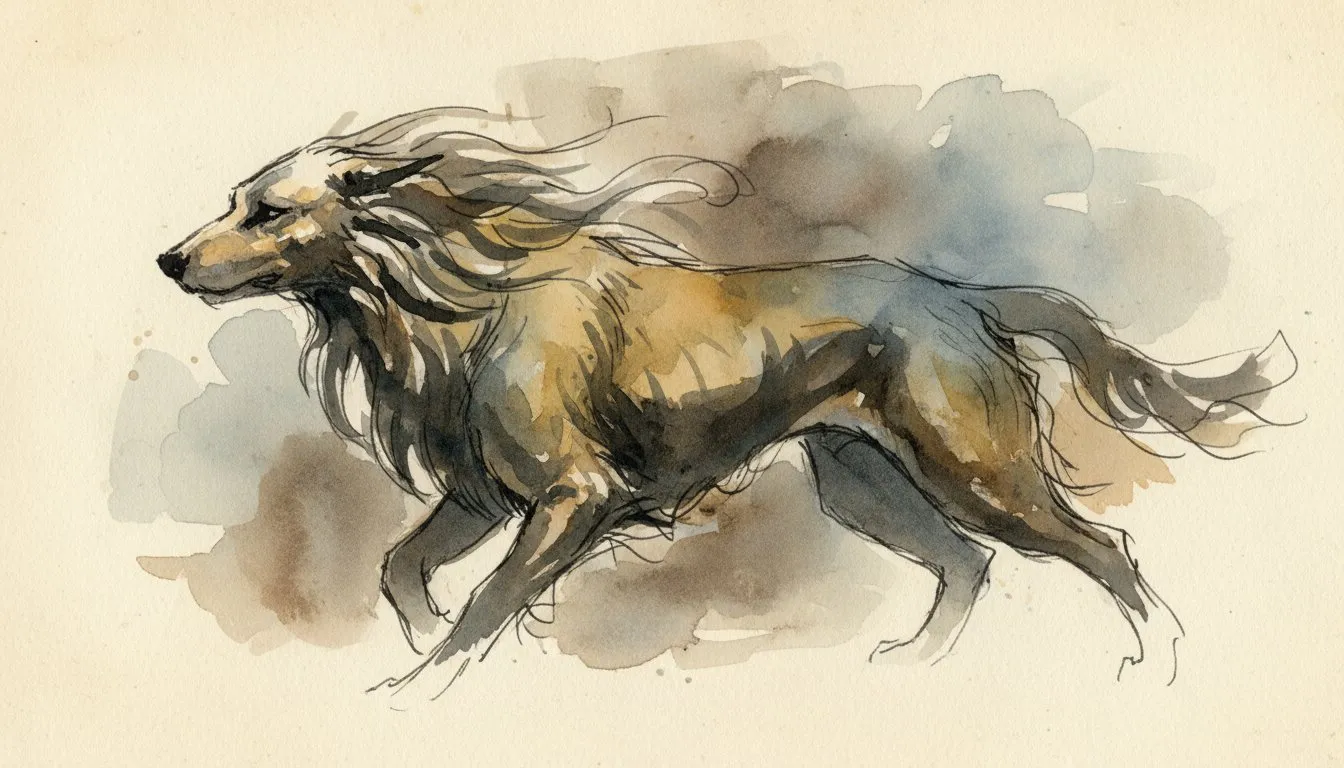
Black Shuck
A ghostly black dog with blazing red eyes has haunted the roads and churchyards of East Anglia for over a thousand years.
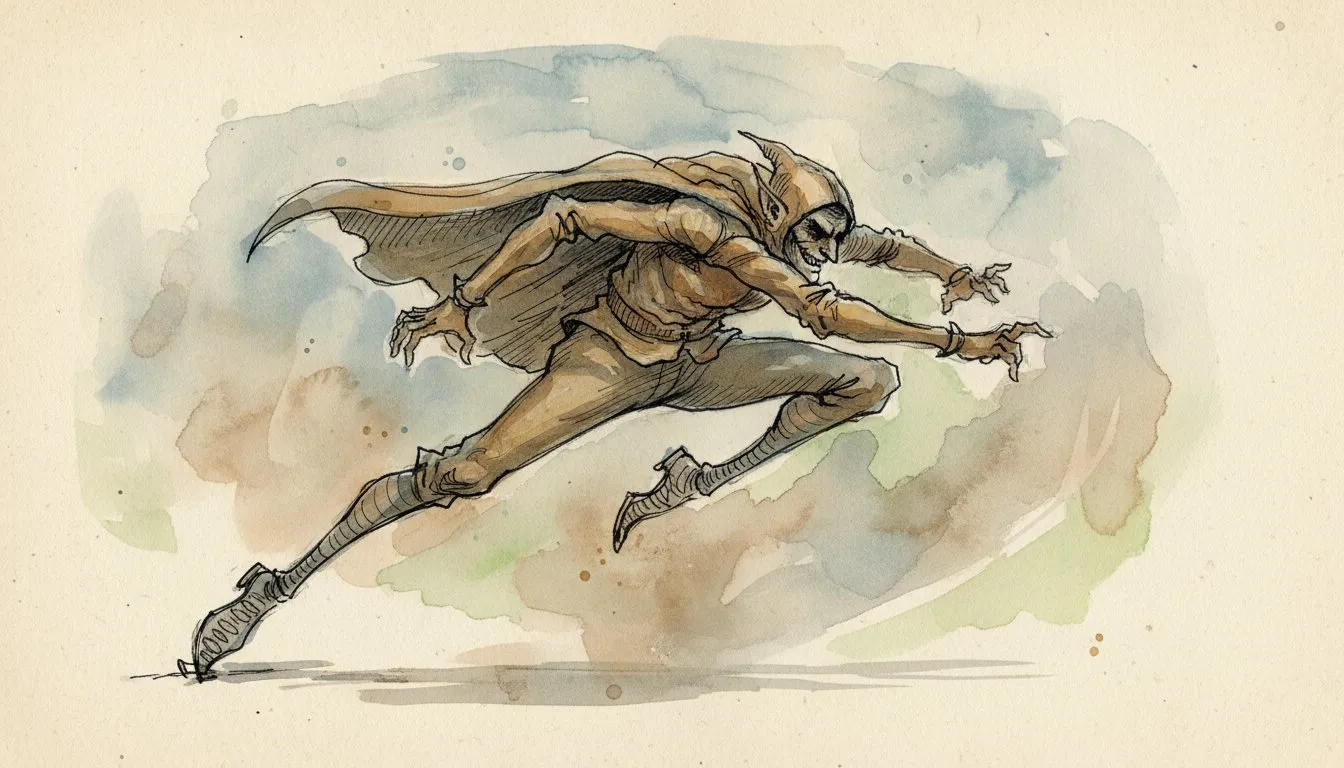
Spring-Heeled Jack
A cloaked figure with clawed hands and blazing eyes leapt over walls and breathed blue flame across Victorian England.