
The Cryptid Photograph Record: Every Famous Image and What Happened to It
The Only Part of This That Can Be Argued
Most of what this site catalogs cannot be tested. A tradition held for six centuries is not a claim you can falsify, and it was never offered as one.
Photographs are different. An image is a specific claim about a specific moment, and it can be examined, dated, traced to a camera, and matched against the place it says it was taken. That is why the photographic record is the most contested part of cryptozoology and the most useful. Below is what the Vault's catalog actually holds, ordered by date, with what became of each.
1896, Anastasia Island: The Carcass
The oldest entry is not a photograph of a living animal but of a dead mass. In November 1896 an enormous pale carcass was found near St. Augustine, Florida. The physician DeWitt Webb documented and photographed it and preserved tissue samples, and it was argued for decades to be a colossal octopus before later analysis of the preserved tissue pointed to whale collagen.
That case founded the globster category, and it is the template for the best possible outcome here: physical material, preserved, eventually resolved. The full story is in our Florida field guide.
1924, Margate Beach: Trunko
A large white carcass came ashore in South Africa in 1924 and was photographed. Trunko was described as forty-seven feet long with an elephant-like trunk, and the reporter Hugh Ballance gave the account that carried it into print.
It is now most likely identified as a decomposed whale. The site logs it that way, because a resolved case is worth more to the file than an open one.
1933 to 1975, Loch Ness: The Most Photographed Water in the World
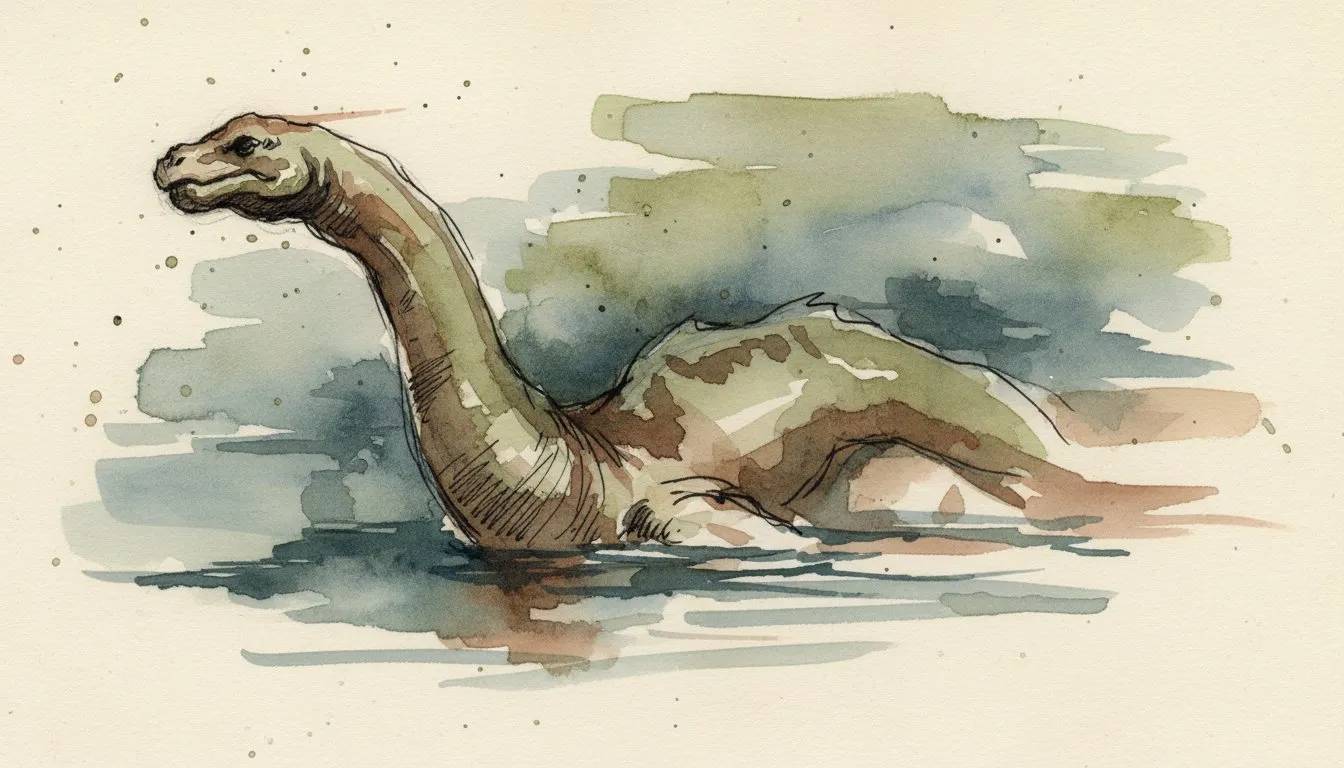
The Loch Ness Monster has produced more images than any other creature here, and their fates vary wildly.
Hugh Gray took the first photograph in 1933. Robert Kenneth Wilson produced the Surgeon's Photo in 1934, the single most reproduced cryptid image ever made and one that was later debunked. Tim Dinsdale filmed a surface wake in 1960. Robert Rines produced underwater photographs in 1972 and 1975 that required heavy processing to read at all.
The honest summary of ninety years at Loch Ness: the most famous image was a fake, the most technically ambitious ones are inconclusive, and the loch has never stopped being photographed.
1962, Lake Manitoba: Manipogo
Manipogo has been described by Indigenous communities on Lake Manitoba for centuries and reported in modern form since 1908. Tom Chicken and Chris Flyn reported it in 1957; Richard Vincent and John Flyn produced two photographs in 1962.
Two photographs, named photographers, a specific lake. It is a cleaner provenance than most of the entries on this list, and it has still never converted into anything more.
1967, Bluff Creek: Patterson and Gimlin
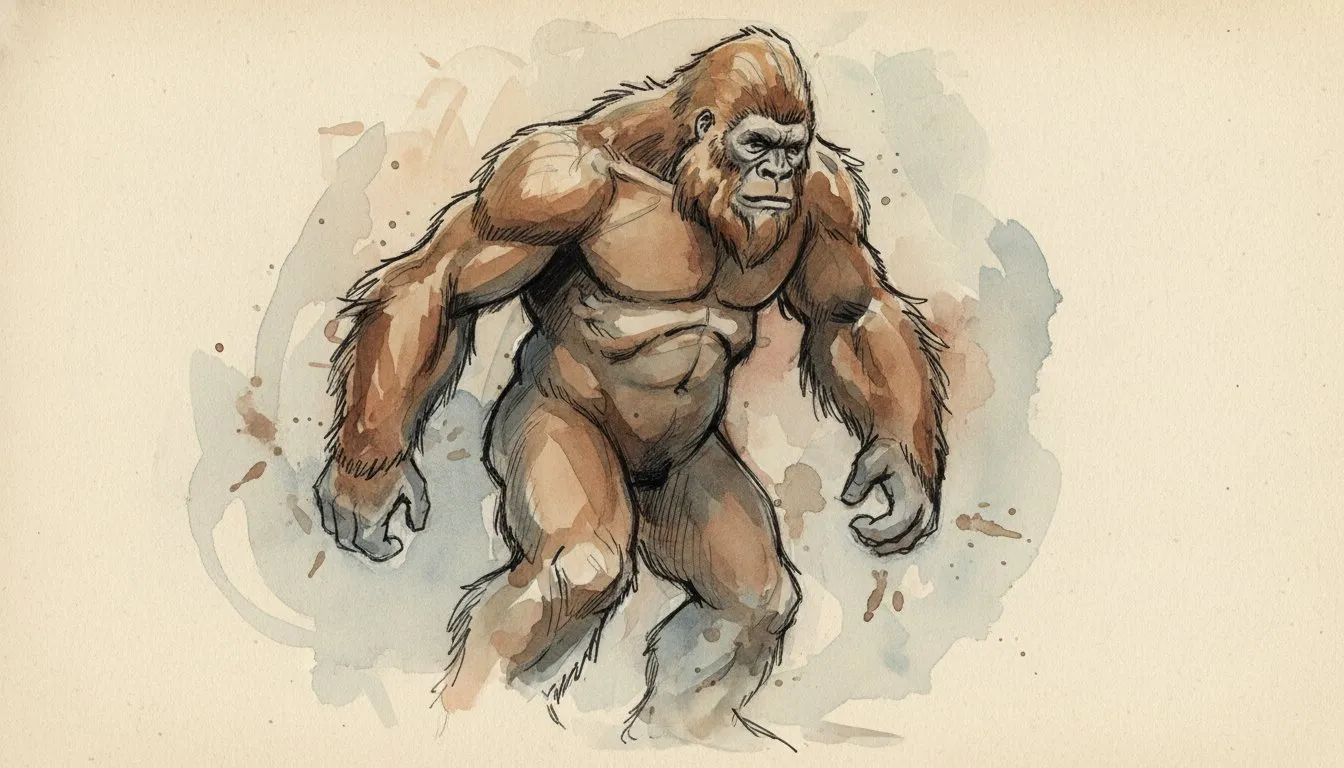
The most consequential piece of film in the subject's history. Roger Patterson and Bob Gimlin shot it near Bluff Creek on the Oregon and California line in 1967, and debate over its authenticity has continued for nearly sixty years without resolution.
Whatever it is, it set the visual template for every Bigfoot report that came after: roughly seven feet, a long stride, visible muscle movement under the hair. That is the film's most measurable effect. It changed what witnesses describe.
1977, Lake Champlain: The Mansi Photograph
The 1977 Mansi photograph of Champ appears to show a head and neck above the surface of Lake Champlain. It is the most argued-over image in American lake-monster history and remains unresolved.
Champ also holds the odd distinction of being legally protected by resolutions in both Vermont and New York, an unusual amount of official standing for an animal that exists in the record as one contested photograph and a long line of sightings.
1982, Chesapeake Bay: Chessie on Video
Chessie was recorded on video in the Chesapeake Bay in 1982, in a case that stands out because it went through an institutional review rather than a magazine. Reports of a twenty-five to forty-foot serpentine animal in the estuary run from the 1970s onward and cluster in summer. The full account is in our Chesapeake Bay guide.
1985 and 1993: Two Extinct Animals
Two of the most interesting images in the file are not of unknown creatures but of officially extinct ones.
Kevin Cameron claimed photographs of a Thylacine in 1985. They are disputed. The Tasmanian tiger's last confirmed individual died in 1936, and the sighting record since then is larger than for almost any other lost species, which is exactly what makes any single image so heavily scrutinized.
Paddy Freaney claimed a photograph of a Moa in 1993 in the New Zealand backcountry. The bird has been considered extinct since roughly 1400.
Both cases share a structural feature worth noticing: the animal is known to have existed, so the claim is only about a date, not about biology. That should make them the easiest cases to prove. They are not.
2000, Myakka River: The Anonymous Envelope
In late 2000 an anonymous woman near the Myakka River in Sarasota County mailed two photographs of an ape-like animal to a county animal services office, with a note saying it had come onto her porch after apples she left out.
The Myakka images remain the most-discussed skunk ape evidence ever produced and they have never been resolved. The reason is not technical. It is that the source was anonymous and there was no follow-up, so there is nobody to re-interview and no camera to examine.
2007 and 2011, Fresno and Yosemite
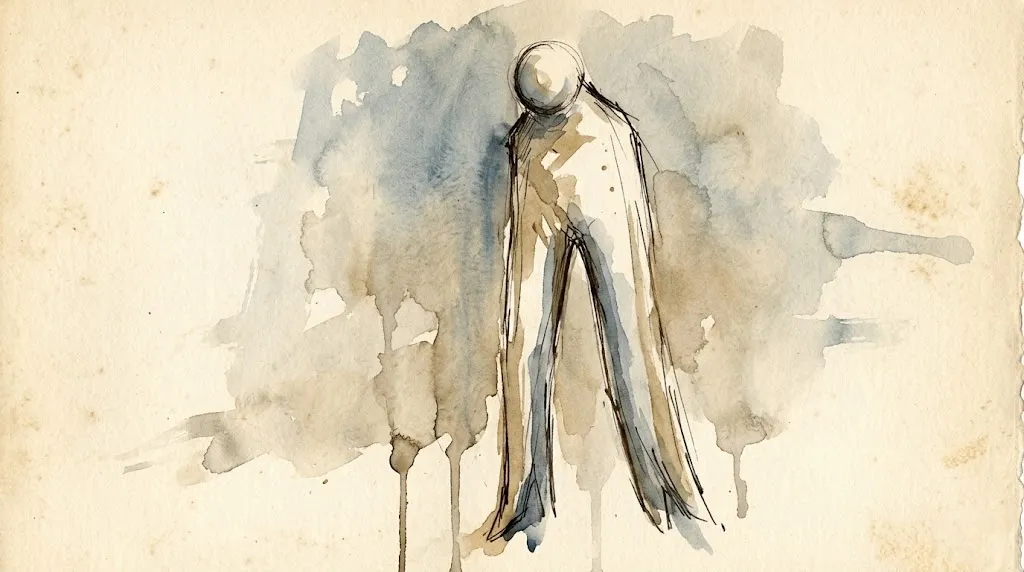
The Fresno Nightcrawler is the strangest entry on the list because of how it was captured. In November 2007 a Fresno homeowner's security camera recorded a small pale figure that appeared to be almost entirely legs, walking across a yard. In March 2011 Yosemite National Park security staff recorded a second one.
Security footage has a property that a handheld photograph does not: the camera was already there, running, pointed at nothing in particular. That does not make the footage authentic, but it removes the most common objection, which is that somebody went looking for a monster and found one.
2012, Iceland: The Lagarfljot Video
Hjortur Kjerulf's 2012 video of the Lagarfljot Worm revived a case whose written record begins in 1345. A moving shape in a glacial river-lake, filmed in daylight. It has been explained as a fishing net moving in the current, and it has been defended. It remains in the photo and video claims column.
Cornwall: The Provenance Problem, Named
Morgawr has been reported off Falmouth Bay since 1906, and its photographs are the best illustration of the single biggest weakness in this whole record. The images are credited to an anonymous photographer identified only as Mary F, and to Tony Shiels, whose name is attached to more than one celebrated Cornish image.
An anonymous source and a recurring individual name are the two provenance failures that turn up over and over here. Neither proves a hoax. Both mean the image cannot be independently traced, and untraceable is where most of these cases die.
The Pattern Nobody Likes
Read the list end to end and one relationship holds with uncomfortable regularity: the clearest images tend to have the weakest provenance, and the best-documented cases tend to have no clear image.
Gloucester in 1817 had dozens of sworn depositions and no camera. Loch Ness has a century of photographs and its most famous one was a fake. The Myakka pictures are vivid and anonymous. Manipogo has named photographers and blurred water.
That is the state of the evidence, and it is worth knowing before the next image arrives. Manipogo's two photographs are part of a wider Canadian file: see our guide to Canadian cryptids. Trunko and Chessie belong to the ocean's own habitat file: see our guide to ocean cryptids for the rest of what the sea has produced.
For the cases that rest on witnesses rather than film, see the most credible sightings in history. For what happens to this record now that any image can be generated on request, see our piece on AI and cryptid evidence.
Get the Field Notes.
Field notes from the Vault, when there is something worth sending. No spam.
No spam. Unsubscribe anytime.
Creatures mentioned in this post
Bigfoot
The towering ape-man of the Pacific Northwest, glimpsed in fog and legend for centuries.
Loch Ness Monster
The legendary lake serpent of Scotland, photographed, sonar-scanned, and never found.
Champ
America's own lake monster, surfacing in the waters between Vermont and New York.
Fresno Nightcrawler
A pair of impossibly long legs walking through the night, captured on security cameras.