
Shapeshifter Cryptids: The Creatures That Do Not Keep One Shape
A Category That Breaks the Evidence
Most cryptids are described the way an animal is described. One shape, one set of limbs, a size range, a habitat. That description is what makes the evidence question workable: a fixed anatomy leaves fixed traces, and traces can be cast, photographed, and argued over.
A shapeshifter offers none of that. If a creature is a firefly on Tuesday and a person on Wednesday, there is nothing to measure. This is why sixteen of the entries in the Vault's shapeshifter category sit almost entirely in the folklore-only column, and it is worth saying plainly what that means. It is not a judgment on the people who hold these traditions. It is a structural fact about the claim itself.
It also means these creatures tend to be doing a different job. A lake monster is an answer to a question about wildlife. A shapeshifter is usually an answer to a question about people: who among us is not what they appear to be.
The Water Horses
Scotland produced the two clearest examples of the type. The Kelpie and the Each-Uisge both appear as a horse near water, invite a rider, and then take that rider under. The Each-Uisge is the sea and loch version and is the more lethal of the pair in tradition.
Both are pre-medieval, and both are functionally identical to a warning sign. Highland lochs and rivers drown people. A story about a beautiful horse that appears at the water's edge and cannot be dismounted is a piece of safety instruction with better retention than a fence.
The Night Feeders
Southeast Asia and West Africa produced the densest cluster of shapeshifting predators, and the shared logic across them is striking.
The Aswang of the Philippines is the archetype: a neighbor by day, a hunting beast by night. The Manananggal of the Visayas is the more specific and more startling version, separating at the waist so the upper body can fly. Both are described in pre-colonial oral tradition and both remain embedded in living belief rather than sitting in a folklore museum.
The Adze of the Ewe people of Togo and Ghana travels as a glowing firefly, passes through closed doors, and takes human form to feed. Its defining feature is what happens when one is caught: in firefly form it reverts, and the person it reverts into is a known member of the community. Communities sometimes conducted witch hunts on that basis, which is where a story about a monster becomes a story with victims.
Japan's Jorogumo follows the same shape from the Edo period: a spider that takes the form of a woman. Chile's Peuchen is the livestock-draining version out of Mapuche tradition, a flying serpent that changes form and takes blood from the air.
The Wolves, and a Distinction Worth Keeping
Louisiana's Rougarou is Cajun and Acadian French tradition: a human body with a wolf's head, invoked as a warning against breaking Lenten rules. It belongs in this category because the creature is a transformed person.
That is the line the Vault holds between two things that get mixed constantly. A dogman report is a report of an animal that was seen. A werewolf tradition is a claim that a person changes. The Beast of Bray Road and the Michigan Dogman sit in the first group, filed under canine, however often they get called werewolves. The Rougarou sits in the second. Collapsing them makes both harder to think about.
The Spirits, and How to Read Them
Some entries here are not creature claims at all, and the site labels them that way.
Finland's Ajatar is a forest spirit said to spread disease and madness to anyone who sees her. Australia's Mokoi is a Yolngu tradition about a presence that kills those who practice sorcery. Both are folklore only.
The Wendigo is the most misused entry in this whole category. It comes from Algonquian tradition in the Great Lakes and Canadian north, and it describes a spirit of insatiable hunger connected to cannibalism and to winter starvation. It has a documented human history: the 1878 Swift Runner case, the Oji-Cree chief Jack Fiddler, and the anthropologist Morton Teicher's work on the psychiatric condition named after it. Horror films have flattened it into an antlered monster. The tradition is not that, and it is still held by living communities. Our guide to indigenous cryptid traditions treats this at length.
The Skinwalker is the North American entry with the most modern reports attached to it: a Navajo witch who takes animal form. The Utah ranch that borrowed the name generated a genuine documented file, from the Sherman family who owned it, the local schoolteacher Junior Hicks, and the NIDS investigator Colm Kelleher. Those reports are real reports. They also sit awkwardly on top of a closed cultural tradition that outsiders have repeatedly turned into entertainment, and the site tries to keep those two things visibly separate.
The Benign Ones
Not every shapeshifter is a threat, and the exceptions are some of the most interesting entries in the catalog.
The Kirin of Chinese and Japanese tradition is a gentle chimera that appears only to mark something momentous. Bavaria's Wolpertinger is a fanged, winged, antlered rabbit that exists as taxidermy in hunting lodges and as a straight-faced joke told to visitors, which puts it in the same honest-hoax family as Wyoming's Jackalope.
The Amazon's Boto is the most charming case here. The pink river dolphin is a real, cataloged animal; the tradition says it comes ashore at night as a well-dressed stranger. That is a folklore claim attached to a confirmed species rather than a claim that an unknown animal exists, and it is a useful reminder that those are different arguments.
And New Zealand's Taniwha has the single strangest status line in the Vault. Maori tradition describes them as guardians of specific rivers and harbors, sometimes protective and sometimes lethal, and taniwha are recognized in New Zealand resource management law. A legal system that gives a folkloric water guardian standing in planning decisions is doing something no cryptozoology conference has managed.
What the Category Is Actually For
Read together, the shapeshifters and tricksters do not look like a wildlife problem. They look like a set of answers to the question of whether you can trust what you are looking at, told across cultures that never met.
That is not a smaller subject than Bigfoot. It is a different one, and naming which kind of unproven a thing is remains the most useful work this site does.
Get the Field Notes.
Field notes from the Vault, when there is something worth sending. No spam.
No spam. Unsubscribe anytime.
Creatures mentioned in this post
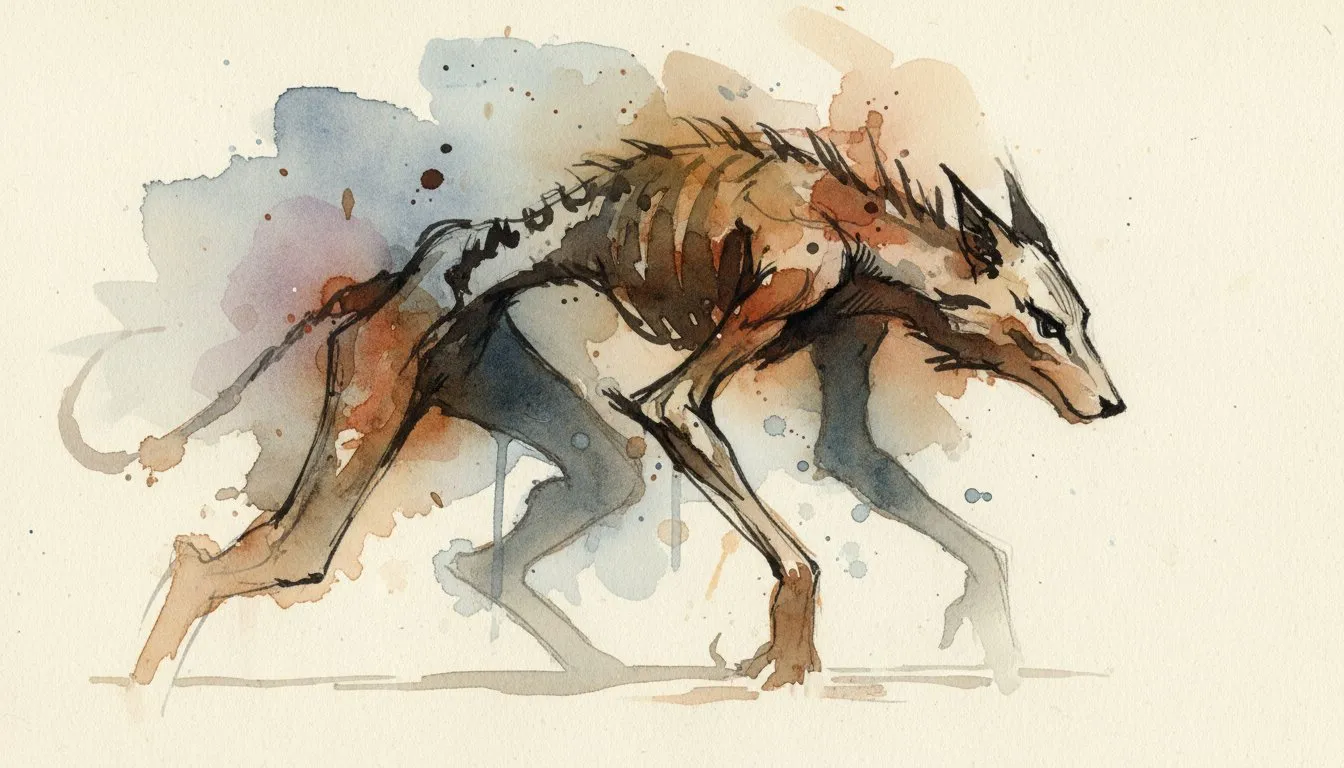
Skinwalker
A Navajo witch who wears the skins of animals and walks between worlds.
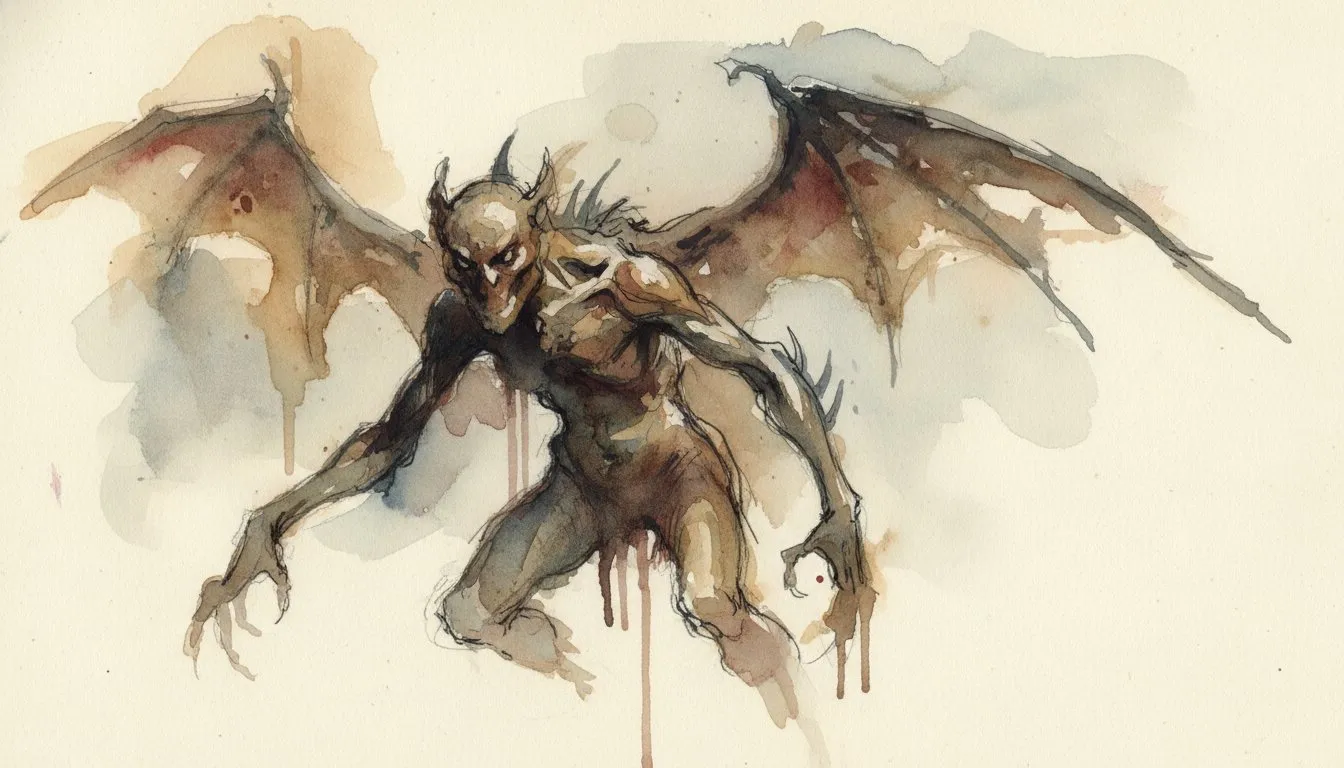
Aswang
The Philippines' most feared shapeshifter hides as your neighbor by day and hunts as a beast by night.

Rougarou
Louisiana's Cajun werewolf stalks the bayou, cursing the sinful and haunting those who break Lent.
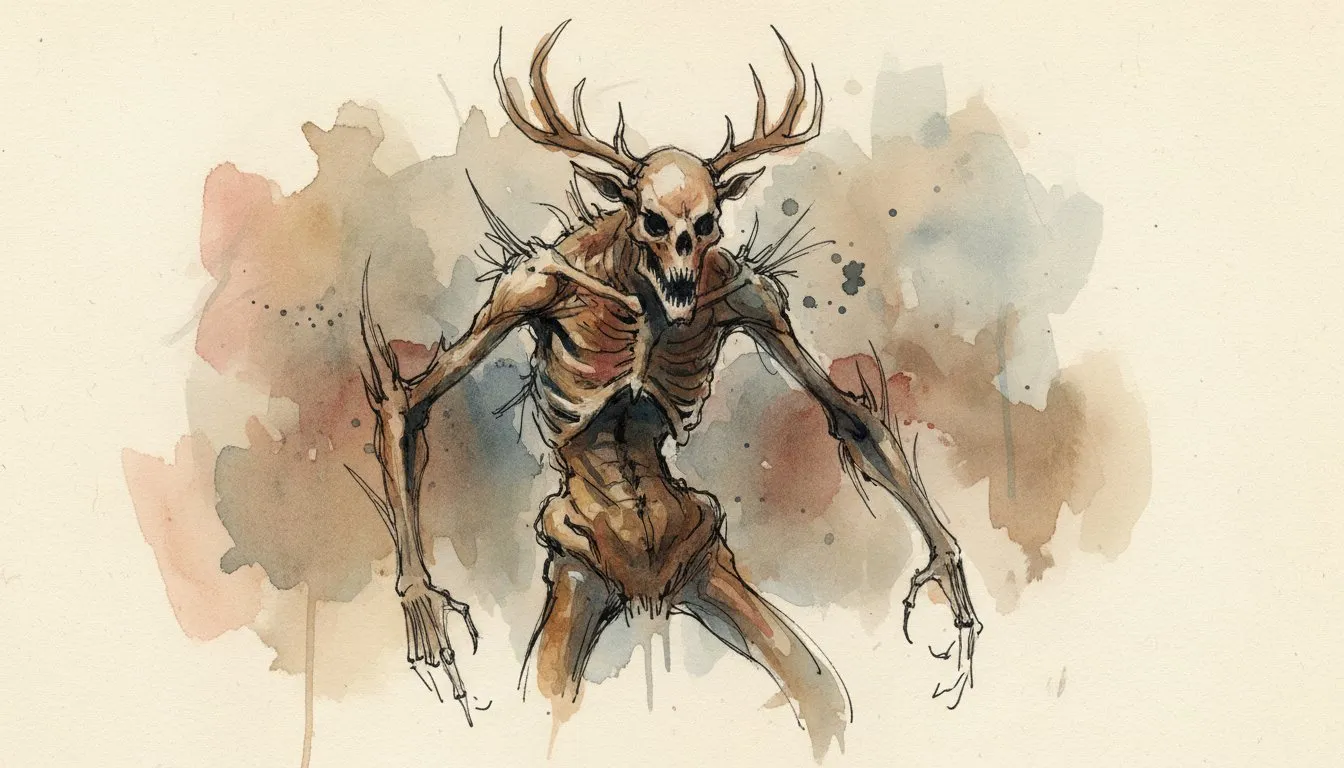
Wendigo
A gaunt, insatiable spirit of the frozen north that was once human.